



Spring in Harrisburg, PA is often marked by rapidly changing temperatures. With average daily highs of around 49 degrees in March, the region can see temperatures climb as high as 80 degrees by May. These seasonal swings make it important to prepare your HVAC system for a quick transition from heating to cooling. With the right early-spring maintenance, you can prepare your heat pump or AC for the work ahead. Our team at Ready & Able Plumbing, Heating & Air is happy to share this early-spring HVAC prep guide.
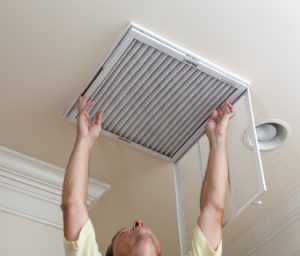
Dirty air filters can negatively affect HVAC performance. They are one of the most common causes of problems such as:
Keeping a dirty filter in place can also reduce your indoor air quality (IAQ) and increase your energy bills. Get your HVAC system ready for spring by inspecting and replacing its air filter.
To inspect your air filter, remove it and hold it up to an overhead light. If light can still pass through the filter, air can likely move through it as well. If thick, lint-like debris blocks the light, it is time to replace the filter.
For most homeowners, replacing the air filter every one to three months is ideal. With the normal spring influx of pollen and dust, you may need to replace your filter more frequently. Stocking up on air filters early in the season can help ensure you always have one available during the summer months.
Heat pumps and air conditioners include indoor air handlers and outdoor condenser units. Installed in backyards or side yards, condensers typically require at least two feet of clearance on all sides. This space allows the system to release collected heat during cooling cycles. When overgrown foliage or windblown debris blocks the condenser, the system may overheat or shut down.
In early spring, inspect the area around your condenser to ensure there is adequate clearance. Remove twigs, leaves, and other debris. Also check that toys, gardening equipment, or other items are not resting against the unit.
Throughout the cooling season, periodically clear away:
Standard central HVAC systems are designed to heat and cool homes evenly. Your AC, heat pump, or furnace runs until the entire home reaches the set temperature. Because of this design, closing vents to redirect airflow can cause unintended problems.
When vents are closed, the airflow has nowhere to go. This creates increased static pressure within the ductwork, which can restrict airflow and lead to issues such as overheating or short cycling. In many cases, homeowners close vents and forget to reopen them later.
A good way to start the spring season is to check that all air vents are open and unobstructed. If you want more customized temperature control, consider scheduling professional air balancing. Our technicians can also discuss smart vents or HVAC zoning systems that allow you to safely adjust airflow throughout your home.
Over time, HVAC vents and registers can collect the same lint-like debris that accumulates on air filters. This buildup can restrict airflow. When the system operates, some of this debris can also circulate through your indoor air.
Dirty vents may contribute to reduced indoor air quality and symptoms such as:
You can clean vents with a soft, damp cloth. Another option is to remove vent covers and vacuum behind them. Remove covers one at a time so hardware does not get misplaced. Use your vacuum’s hose attachment for best results.
If you find significant debris behind the vent covers, professional air duct cleaning may be beneficial. According to the National Air Duct Cleaners Association, homeowners should schedule duct cleaning every three to five years. Early spring is a good time to complete this service to help reduce seasonal pollen and dander circulation.
Professional duct cleaning typically addresses:
Drafty windows, poorly sealed doors, cracks in drywall, or insufficient attic insulation can allow conditioned air to escape. Early spring is an excellent time to address these issues before the cooling season begins.
Improving your home’s envelope helps your HVAC system run more efficiently. This can lead to lower energy bills, more balanced indoor temperatures, and fewer issues with humidity or indoor air quality.
While much of your ductwork may be hidden behind walls or ceilings, some sections may be visible in areas such as attics, basements, or garages. Exposed ductwork can be vulnerable to accidental damage.
Items such as stored equipment, ladders, or paint cans can sometimes dent or puncture ducts. Inspect exposed ductwork for visible damage, loose connections, or air leaks. Addressing these problems before warm weather arrives can improve system performance and comfort.
Do not wait until the first hot day of the season to turn on your cooling system. Set your thermostat below the current indoor temperature and allow the AC or heat pump to start.
If the heat pump does not begin cooling, it may have a malfunctioning reversing valve. Testing the system early can also reveal issues such as thermostat calibration problems, loose electrical connections, or failing capacitors. Scheduling repairs before the cooling season begins helps avoid the rush for service during the first heat wave.
One of the best ways to prepare your AC or heat pump for summer temperatures is by scheduling professional maintenance. Most air conditioners require service at least once per year. Heat pumps that provide both heating and cooling should typically receive maintenance twice annually.
During a maintenance visit, our technicians may:
Technicians will also lubricate moving parts, calibrate thermostats, and clean system components. These services help improve efficiency, maintain warranty compliance, and reduce the risk of unexpected breakdowns.
Ready & Able Plumbing, Heating & Air provides comprehensive maintenance services for AC and heat pump systems. We also offer an affordable HVAC preventative maintenance plan that covers annual tune-ups and includes member-exclusive benefits.
Proudly serving the Harrisburg region since 1998, we are a trusted provider of heating, cooling, duct cleaning, and indoor air quality services. To schedule a pre-season tune-up for your Harrisburg home’s AC or heat pump, contact Ready & Able Plumbing, Heating & Air today.