


Winter in Pennsylvania puts your plumbing system through months of freezing temperatures, shifting soil, and heavy water demand. When the ground begins to thaw, hidden stress can appear in the form of leaks, slow drains, and sump pump concerns. Spring is the ideal time to look closely at how your pipes, drains, and fixtures handled the cold season.
When soil freezes and thaws, it shifts. That movement can pull on buried water lines and even affect pipes that run through crawl spaces or basement walls. You may not see a burst pipe, but you might notice subtle signs that something changed. A small stain on drywall, a faint dripping sound inside a wall, or a water meter that moves when no fixtures are running can all point to a slow leak.
Walk through your basement and lower level with fresh eyes. Check exposed pipes for corrosion, loose fittings, or mineral buildup at joints. Look at ceilings beneath bathrooms for discoloration. If your water pressure feels slightly different from what it did in winter, that change can also signal a problem. A slow leak does not always create an obvious puddle. It may soak insulation, framing, or subfloor materials first. Catching the issue early helps you avoid structural damage and mold concerns once humidity rises in late spring.
Exterior faucets often take the brunt of winter weather. Even if you shut them off in the fall, water trapped in the line can freeze and create a crack inside the wall. When you turn the spigot on for the first time in spring, watch what happens. If water pressure drops inside your home while the spigot runs, that may indicate a split pipe feeding the faucet. You might not see water outside because it could be leaking inside the wall cavity.
Check hose bibs for steady flow and listen for unusual sounds after turning them off. Walk along the foundation and look for damp soil that does not match recent rainfall. If you have an irrigation system, test each zone carefully and observe sprinkler heads. Uneven spray patterns or soggy patches in the yard can point to underground damage. A professional inspection can confirm that exterior plumbing survived the winter and is ready for heavier seasonal use.
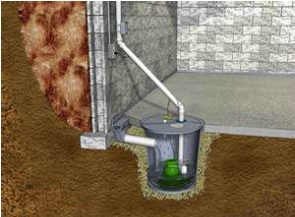
Spring thaw often coincides with steady rainfall. That combination increases groundwater pressure around your foundation. Your sump pump may run more often during this season than at any other time of year. If it has not been checked recently, now is the time to pay attention. Listen to how it cycles. A pump that runs constantly or struggles to clear the pit may be nearing failure. A pump that remains silent during obvious melt or rain conditions may not be activating properly.
Take note of how the discharge line performs. Water should move away from the foundation rather than pooling near the house. Inspect the area around the sump pit for dampness that does not dry out. These are practical signs that the system may need evaluation. Spring is when a sump pump proves whether it can handle increased demand.
Basement drains can reveal stress within your plumbing system. During the thaw season, municipal and private sewer lines often carry higher volumes of water. If your floor drain clears slowly or gurgles when you run a washing machine, that may indicate a restriction. A basement sink that drains more slowly than usual can also point to a larger drain line issue. These symptoms tend to appear during periods of heavy water use combined with saturated ground conditions.
Look for patterns rather than isolated events. If water briefly rises in a floor drain before receding, that is worth noting. If the same drain produces a musty odor after heavy rain, that is also important. Spring places additional strain on drainage systems. A professional evaluation can determine whether the issue lies in your lateral sewer line, interior plumbing, or seasonal pressure from outside sources.
As you move through your home, watch for small changes that may indicate stress in the system. These signs often reveal subtle issues that deserve attention.
These symptoms may seem unrelated at first. When they appear together during the thaw season, they can point to pressure changes or minor damage caused by winter conditions. Recognizing patterns can help a technician identify the source more efficiently.
If showers feel weaker or faucets take longer to reach full pressure, something may have shifted within the plumbing system. Mineral deposits can accumulate in pipes during heavy winter use. Freeze and thaw cycles can also affect connections in older plumbing systems.
Spring plumbing concerns often begin outside. As snow melts, downspouts and yard grading determine where that water travels. If downspouts discharge too close to the foundation, soil saturation increases around the basement walls. This added pressure can push water toward cracks or seams. Walk around your home during rainfall and observe where runoff collects.
Ensure downspout extensions direct water several feet away from the structure. Look for soil erosion that exposes the edges of the foundation. Standing water near the home signals that drainage may need improvement. Effective drainage reduces strain on your sump pump and lowers the risk of seepage through basement walls.
Spring thaw offers an early indication of what the heavy rain season may bring. If you have noticed repeated dampness, slow drainage, or sump pump concerns, schedule service before demand increases. Waiting until the first major storm can mean fewer appointment options and added stress. Early spring provides a good opportunity to evaluate the system thoroughly.
A professional plumbing assessment during this season may include leak detection, drain inspection, sump pump testing, and exterior drainage evaluation. These steps provide a clearer understanding of how your plumbing system handled winter conditions and whether adjustments are needed. Addressing issues now helps ensure your home is prepared for changing weather and ground conditions.
Some plumbing components remain out of sight until problems develop. Spring is a useful time to check areas that rarely receive attention.
These details matter because they are often located in colder parts of the home and may experience stress during freezing conditions.
We provide leak detection, sump pump inspection, drain cleaning, and pipe repair services to address plumbing issues that surface during the thaw season. If you notice changes in water pressure, damp basement areas, or drainage that feels sluggish, schedule an inspection with Ready & Able Plumbing, Heating & Air in Harrisburg, PA.